Sushi-making classes in Tokyo: what to expect
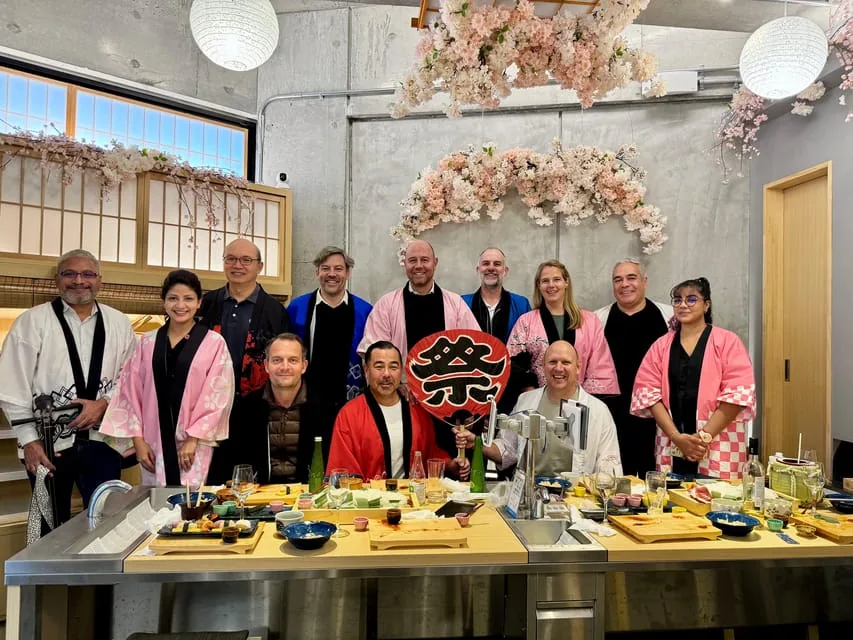
What a sushi class is like: start to finish
You arrive 10–15 minutes early. The instructor briefs you on rice seasoning (’sushi-zu’ is vinegar, sugar, salt mixed into rice at body temperature — the rice, not the fish, is what pros obsess over). Then you’re handed a makisu (bamboo mat), nori (seaweed sheets), and fish or fillings. You start with nigiri: wet your hands, cup the rice, press the fish on top. It’s harder than it looks. You’ll make a few wonky ones. By the fourth or fifth, your hands remember. Then maki (rolls), gunkan (’battleship’ open-top rolls), inari (sweet tofu pockets), and tamagoyaki (a rolled omelette — usually served in classes as a cheat: it’s already cooked, you just slice and arrange it). At the end, you sit down, plate your work, and eat it with miso soup. The instructors walk around, adjust your grip, crack jokes about tourists. Reviewers say the instructors — Taka, Mai, Kate, Kanako, Aya, Miki — are patient and funny. Most classes end by noon or early afternoon.
The three classes compared
Happi Coat Class ($58, 4.9 stars, 1,563 reviews). You wear a traditional happi (short coat). Near a famous Tokyo landmark. Instructors include Taka and Mai. Great for the experience, the photo ops, and learning history as you go. This is the most-booked option.
Tsukiji Class ($51, 4.9 stars, 730 reviews). Cheapest. Held near Tsukiji Outer Market. Master chef instructor (Kate is mentioned by name). Explicitly welcomes vegetarian and gluten-free guests. No happi coat, just the core class. Best value.
Standard Tokyo Class ($68, 4.9 stars, 423 reviews). ~3 hours. English-speaking instructors (Aya, Miki, Kanako). Strong on allergy and celiac accommodation. Includes miso soup. No frills, just a solid class.
What you make
You make
- Nigiri (fish over hand-pressed rice) — the hardest to learn, the most rewarding.
- Maki (rolls inside nori, the seaweed wrapper) — cucumber, tuna, avocado, or what the class provides.
- Gunkan (“battleship”) — a rice oval with nori wrapped around it, topped with sea urchin roe or mayo-based fillings.
- Inari — sweet tofu pockets stuffed with rice. The filling is prepared, you stuff and fold.
- Tamagoyaki — a sweet or savory rolled omelette. Usually pre-made in classes; you slice and arrange it for your plate.
Not included
Most classes teach the rice seasoning (sushi-zu) at the start, which is the foundation. The rice is stickier and warmer than you expect if you’ve only eaten cold sushi. That’s intentional — sushi chefs eat nigiri right after pressing, when the rice is still warm.
Dietary and allergy notes
All three classes welcome vegetarian guests when you book ahead — they can substitute fillings or teach vegetable rolls. Gluten-free and celiac guests: confirm at booking. The Standard Tokyo Class and the Tsukiji Class both explicitly note strong accommodation for allergies and celiac in their reviews. The Happi Coat class also welcomes these guests but doesn’t advertise it as explicitly in the text. Bring any medical documentation if you have a severe allergy. The instructors are experienced and cautious.
Dress code and what to bring
Wear casual clothes you don’t mind getting wet or splashed. Closed shoes recommended (water on floors). The happi is provided at the Happi Coat class. Bring nothing except your ID and payment method. The class provides aprons, cloths, and all tools.
Book 1–2 weeks ahead if you can, especially for weekends or evenings. Classes fill fast in peak season. Arrive 10–15 minutes early. If you have a food allergy, email the operator before booking with the details.
Read the full reviews
I’ve written up each class in detail with reviewer quotes and specific instructor names. Start with the happi coat class, or see all reviews. See all five tours compared if you’re also considering market tours.
Can’t make these dates?
Browse more available sushi in Tokyo and find one that fits your schedule — all with instant confirmation and free cancellation.
Still deciding? Read whether sushi classes are worth it, Tokyo sushi pricing, or etiquette.
Frequently asked questions
How hard is it to make nigiri?
Harder than it looks, easier than you think. Your first few are wobbly. By the fifth or sixth, your hands learn the pressure and angle. The instructors show you on a demo, then guide you through the motions. Reviewers consistently say they were proud of their nigiri by the end.
Is vegetarian sushi possible?
Yes. All three classes welcome vegetarian guests when you book ahead. You’ll make rolls with cucumber, avocado, pickled radish, or other vegetables. Tamagoyaki (rolled egg) is also vegetarian.
What if I have a gluten or celiac allergy?
Tell the operator at booking. The Standard Tokyo class and Tsukiji class have explicit reviews mentioning celiac accommodation. They’ll swap ingredients or provide gluten-free soy sauce. Bring documentation if your allergy is severe.
How long does a class take?
Typically 2–3 hours, including the intro, instruction, all five types, eating, and cleanup. Classes run year-round, morning and afternoon. Book the time slot when you reserve.
Can I bring a group or my family?
Yes. All three classes welcome groups and families. The Tsukiji class has reviews mentioning it worked well for a large family with young kids. Book all spots together through GetYourGuide.
Do I take home what I make?
No. You eat it at the class. There’s no takeout. The experience is eating your own work with the instructor and other students. That’s the point.