Key takeaways
- Best-value class is $51 — the Tsukiji class with a pro chef. See all classes compared.
- Classes make 8+ kinds of sushi including nigiri, rolls, gunkan and tamago. Worth it? Yes, for first-timers.
- Market tours from $111 include the Toyosu tuna auction at dawn. Market tour guide.
- Nigiri is finger food — eat with your hands, dip the fish (not rice) in soy. Full etiquette primer.
- Sushi costs roughly ¥120–¥350 per plate at casual spots. The cost ladder explained.
What the Happi Coat Sushi Class includes
The experience, the rice work and what’s in the $58 price — at a glance.
What you make
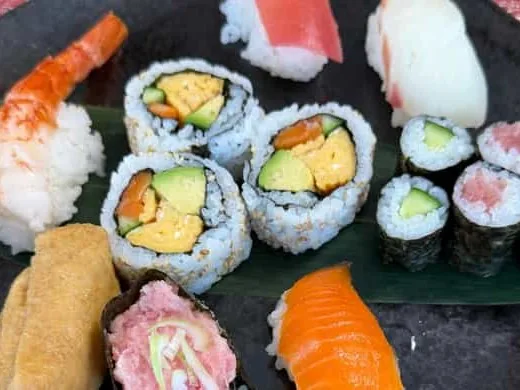
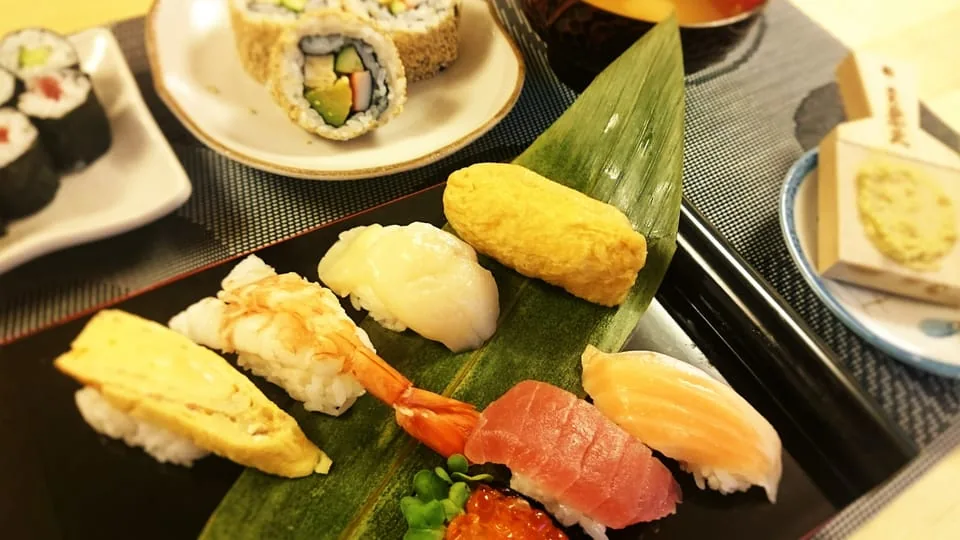
- Nigiri (fish over hand-pressed rice)
- Maki rolls (filled and rolled)
- Gunkan (‘battleship’ style)
- Inari (sweet tofu pockets)
- Tamagoyaki (rolled omelette)
What’s included
- Traditional happi coat to wear
- Live English-speaking instructor
- All rice, fish and fillings prepared
- Miso soup with your finished plates
- Free cancellation & instant confirmation
What a Tokyo sushi day looks like
A sushi class or market tour, step by step — what you do, in order.
Whether you book a hands-on class or a market tour, here’s the sequence. Most classes meet in central Tokyo (Asakusa, Ginza, near Tsukiji); market tours depart from the same areas before dawn.
- Pick your type — Decide: hands-on class (shape rice, build nigiri, eat your work) or market tour (tuna auction at 5 a.m., walk stalls, eat sushi breakfast).
- Meet in central Tokyo — Classes meet near a famous landmark; market tours gather before 4 a.m. for the Toyosu auction.
- Learn or explore — In a class: shape vinegared rice, press nigiri with fish, roll maki by hand. On a market tour: watch the live tuna auction, walk the wholesale stalls, meet vendors.
- Eat what you made — Classes finish with miso soup and your own plates. Market tours end with sushi breakfast at a counter like Sushi Dai or Bentomi.
- Leave able to read a menu — You now know nigiri from gunkan, understand why rice matters, and can order confidently — or make it at home.
How booking works
Pick your tour
Sushi class or market tour. We explain who each suits.
Check live dates & prices
Real availability from GetYourGuide, updated daily.
Book with free cancellation
Reserve online; cancel up to 24 hours before for a full refund.
Meet at your meeting point
Your confirmation has the exact meeting point in central Tokyo.
Book a Tokyo sushi experience
The most-booked sushi class, in one click. Wear a happi coat and make your own.
Which Tokyo sushi experience is right for you?
Three very different ways to spend your time with sushi. Here’s how they compare.
| Most popularTokyo Sushi Making Class in a Happi Coat near a Famous Spot | Tsukiji Fish Market Sushi Making Class with a Pro Chef | Private Toyosu & Tsukiji Market Adventure with Tuna Auction | |
|---|---|---|---|
| Price | $58 | $51 | $146 |
| Duration | 2–3 hrs | 2–3 hrs | 3 hours |
| What you do | Make sushi | Learn nigiri from a pro | Market + tuna auction |
| Group size | Small | Small | Private |
| What you make/see | 8+ types | Expert nigiri | Toyosu auction, stalls |
| Best for | First-timers | Budget, families | Enthusiasts |
| Rating | 4.9 | 4.9 | 4.8 |
| Book this → | View → | View → |
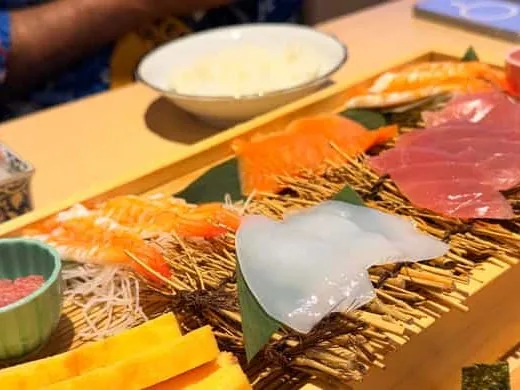
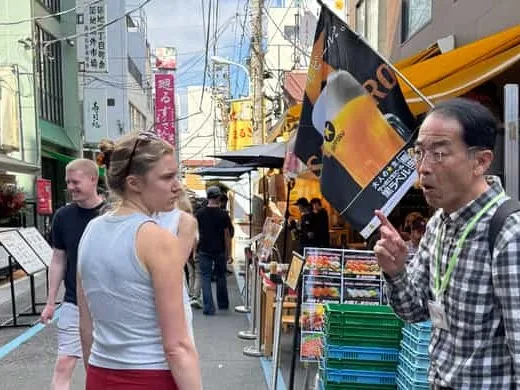
Photo Gallery
Tokyo sushi experiences — through the lens
A few of the moments on the classes and tours we feature.
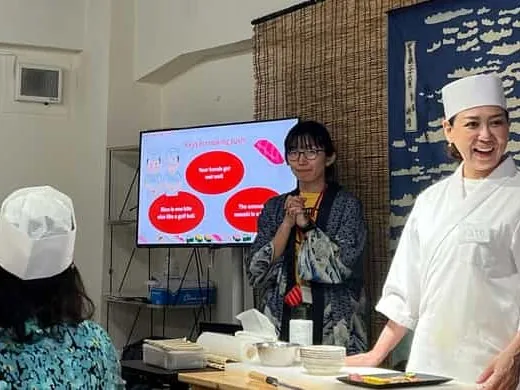
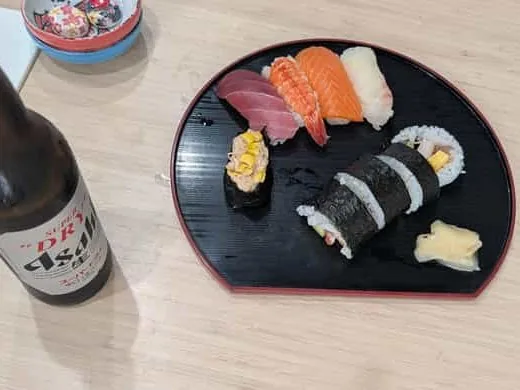
Popular Tokyo sushi experiences
From budget classes to private market tours — the sushi experiences worth your time.
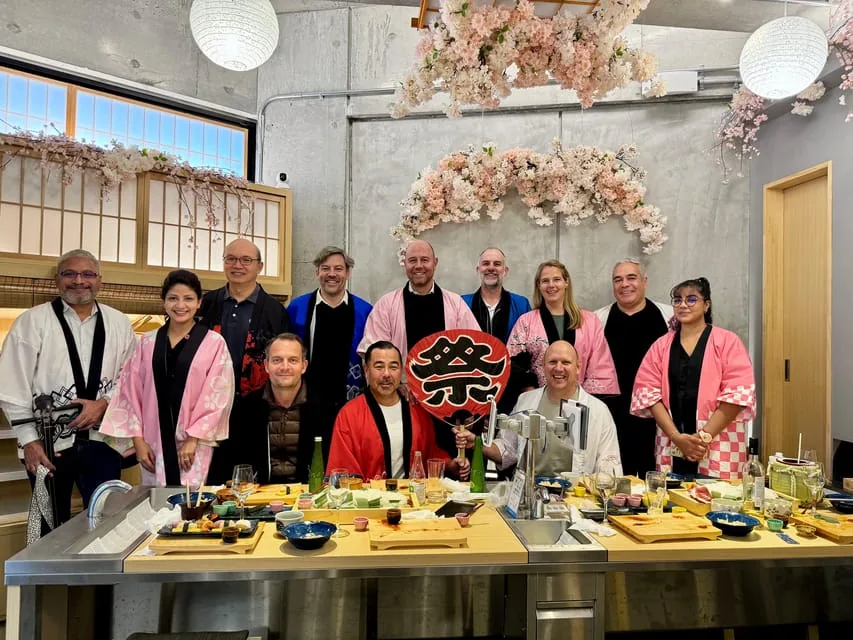 Most booked
Tokyo Sushi Making Class in a Happi Coat near a Famous Spot
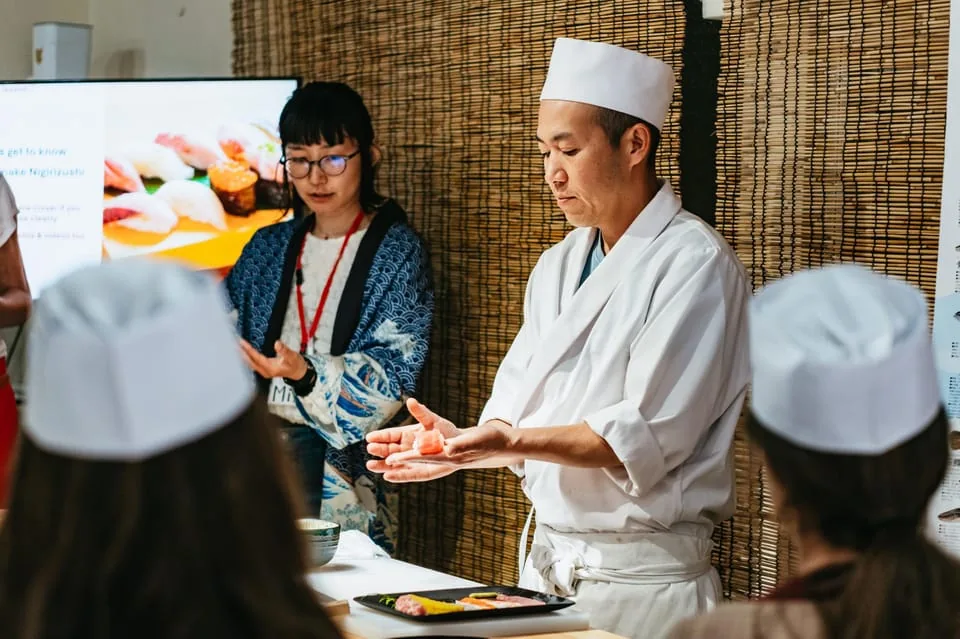 Best value
Tsukiji Fish Market Sushi Making Class with a Pro Chef
 Classic class
Tokyo Sushi Making Class with Local Instructors
 Private
Private Toyosu & Tsukiji Market Adventure with Tuna Auction
 Early morning
Toyosu Tuna Auction & Sushi Breakfast at Sushi Dai or Bentomi
What guests say about Tokyo sushi classes and tours
Reviews from travellers who booked the classes and tours we feature.
Learned the history of each type of sushi we prepared. Cozy setup, host Taka was very friendly.
Chef Kate was incredible to watch in action. The master chef and host Satoko were great.
Made 8 recipes. Instructors Aya and Miki took great care with my gluten allergy.
Guide Sachiyo was patient and knowledgeable. Best Japanese breakfast we ever had at Sushi Dai.
Watching the auction was incredible. Guide Rabia was super organized. The Sushi Dai experience was unforgettable.
Ratings and reviews are the operators’ live GetYourGuide figures. Read our full tour reviews ›
Quick answers before you book
A few things worth knowing so you book the right experience and avoid a misstep.
Sushi class or market tour?
A sushi class teaches you to make nigiri, rolls and tamago with your hands; you eat your work. A market tour shows you the Toyosu tuna auction at dawn and ends with sushi breakfast. Pick the class if you want to learn hands-on.
How much does it cost?
Classes run $51–$68 per person. Market tours are $111–$146. See the full cost breakdown.
Do I need experience?
No. All classes are beginner-proof. You don’t need to know how to cook or speak Japanese. Are classes worth it?
What should I bring?
Closed shoes, comfortable clothes, and your booking confirmation. The happi coat is provided. See what to wear.
When is Tokyo good for sushi?
Year-round. Sushi classes and market tours run all year. Winter is peak season for fatty tuna. Read the full sushi guide.
How do I eat nigiri without embarrassing myself?
Nigiri is finger food — eat with your hands. Dip the fish side lightly into soy sauce (not the rice), eat it in one bite if you can. Full etiquette and technique.
What if I have allergies?
Most classes explicitly welcome vegetarian, gluten-free and celiac guests. Confirm when booking. Classes that accommodate allergies.
Is Tokyo sushi expensive?
No. Conveyor-belt plates start around ¥120–¥350 (roughly $1–$2.50 each); a meal costs $7–$14. Even mid-range sushiya lunch is $20–$40. Best affordable sushi in Tokyo.
Can’t make these dates?
Browse more available sushi in Tokyo and find one that fits your schedule — all with instant confirmation and free cancellation.
Sushi in Tokyo, explained
Most visitors arrive in Tokyo nervous about sushi. They don’t know what good sushi costs, whether the famous places are worth the queue, or how to behave at the counter. The honest answer is that the single best way to understand Tokyo sushi is a hands-on class — you leave able to make eight kinds and read a menu — or a market tour where you trace the fish back to the 5 a.m. tuna auction. Both are affordable, beginner-proof, and bookable in advance. Here’s everything worth knowing.
Why Tokyo is a sushi city
Tokyo has far more genuinely cheap, genuinely good sushi than most visitors expect. The fish is local and the volume is high. Toyosu Fish Market — the modern wholesale market that replaced the old inner Tsukiji in 2018 — handles fish from across Japan and the Pacific, funnelling it to ten thousand restaurants and street stalls across the city. The result: a 12-piece omakase at a high counter runs $100–$300+, but a conveyor-belt meal with excellent fish costs $7–$14. A standing bar lunch is $14–$28. The range is wide, and the baseline quality is high no matter what you pay.
The two types of experience: class vs. market tour
A sushi-making class teaches you to make sushi with your hands. You shape vinegared rice (the real art in sushi), press nigiri with a piece of fish, roll maki by hand, fold gunkan (“battleship” style rolls), stuff inari (sweet tofu pockets) and roll tamagoyaki (egg). Most classes run 2–3 hours and cost $51–$68. You eat your work with miso soup. No experience needed; most classes welcome vegetarian, gluten-free and celiac guests if you confirm when booking. Best for first-timers and anyone curious about the real craft.
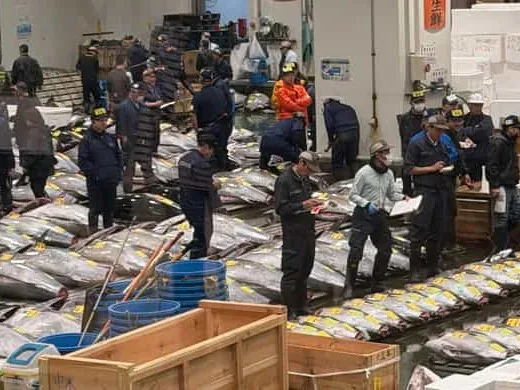
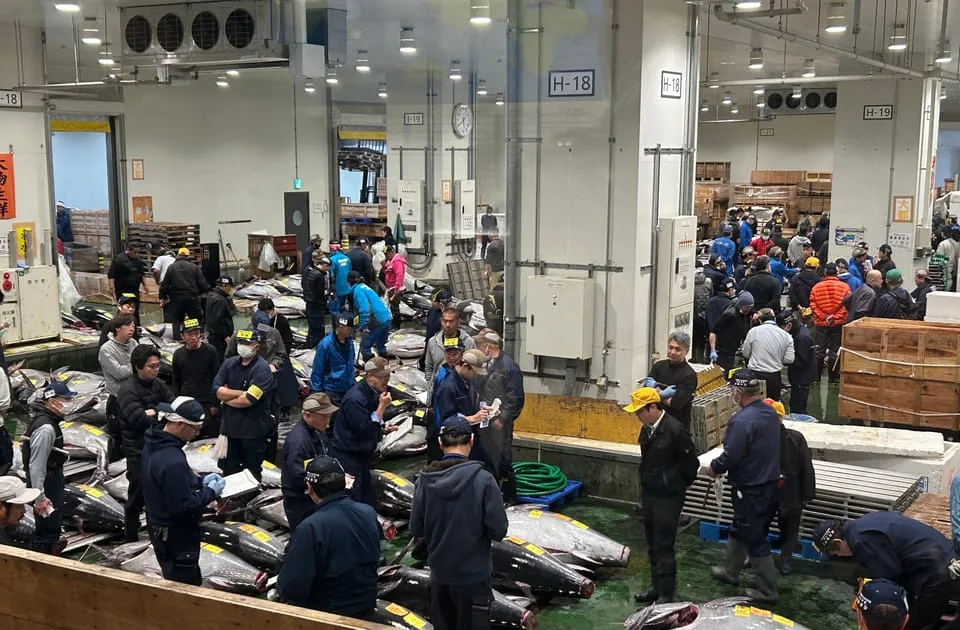
A market tour shows you where the fish comes from. You arrive before dawn at Toyosu and watch the live tuna auction (roughly 5–6:30 a.m.); the public can watch from an observation deck for free, or a booked tour gets you closer. Then you walk the stalls, meet vendors, and finish with sushi breakfast at a legendary counter like Sushi Dai (famous for pre-dawn queues of 2–3+ hours). Tours run $111–$146. Best for enthusiasts who want depth and flexibility, or anyone who wants to skip the queue at Sushi Dai.
What you actually make in a class
The standard class repertoire: nigiri (fish over hand-pressed rice), maki (rolls), gunkan (“battleship” with rice, nori and toppings on the sides), inari (sweet tofu pockets), and tamagoyaki (rolled omelette). The rice is seasoned with vinegar, sugar and salt (sushi-zu); the rice, not the fish, is what the pros obsess over. Your instructor will teach you to feel the temperature and stickiness, to press without crushing, and to understand why the technique matters. Most classes run four to five pieces per type, so you leave with a plate that feeds a person plus someone to share with.
The cost ladder in plain terms
Conveyor-belt (kaiten) sushi — the spinning plates — runs roughly ¥120–¥350 per plate of two pieces (about $1–$2.50 each). A filling meal is ¥1,000–¥2,000 ($7–$14). The fish is fresh and the rice is proper; the speed just means you don’t pay for table service. Standing and casual sushi bars are ¥2,000–¥4,000 ($14–$28) for lunch. Mid-range sushiya set lunch is ¥3,000–¥6,000 ($20–$40). Omakase dinner at a serious counter runs ¥15,000–¥40,000+ ($100–$280+). Classes run $51–$68; market tours $111–$146. All prices assume roughly ¥150 to $1 and move with exchange rates.
How to eat sushi without embarrassing yourself
Here’s what the pros do. Nigiri is finger food — eat it with your hands. Dip the fish side lightly into soy sauce, not the rice — rice-first soaks up too much salt and falls apart. Eat nigiri in one bite where you can. Rolls and sashimi are usually eaten with chopsticks. Don’t rub disposable chopsticks together (it implies they’re cheap). Gari (pickled ginger) is a palate cleanser between pieces, not a topping. Wasabi is usually placed by the chef already; adding a pile of your own can read as an insult to the seasoning. Never stick chopsticks upright in rice or pass food chopstick-to-chopstick (both echo funeral rites). At a counter, eat each piece promptly while the rice is at body temperature. Finishing your rice is polite; leaving a bowl of plain rice unfinished can read as wasteful. Tipping is not expected anywhere and can cause confusion.
Which experience suits whom
If you want to learn to make sushi and take that skill home: book a class, $51–$68. If you want to see where the fish comes from and eat at a legendary counter: book a market tour, $111–$146. If you’re on a tight budget and want excellent sushi right now: hit a conveyor-belt spot or standing bar. If you’re a serious eater with time to plan: book a omakase dinner six weeks out (expect to research, find a listing, call or email). If you’re anxious about the whole thing: take a class first. You leave understanding the craft, the history behind each piece, and confident enough to walk into any sushiya and order.
The honest line-up: a sushi class is the strongest single move for first-timers. A market tour is the insider move. Both beat guessing which restaurant to queue at. All run year-round. Book 1–3 days ahead in peak season; same-day usually works off-season. All offer free cancellation up to 24 hours, so lock a date and enjoy your trip.
Frequently asked questions
What is the best Tokyo sushi experience?
For most visitors the Sushi Making Class in a Happi Coat is the best all-round pick — you wear a traditional coat, make nigiri and rolls by hand, and eat your work with miso soup, from $58, rated 4.9 from 1,563 reviews. On a budget, the Tsukiji class starts at $51. Want to see the source? Try a Toyosu market tour.
How much is sushi in Tokyo?
A conveyor-belt meal runs roughly ¥1,000–¥2,000 ($7–$14). Standing bars and casual sushiya lunch are $14–$40. Mid-range omakase dinner is $100–$280+. Classes run $51–$68; market tours $111–$146. Full cost breakdown.
Do you eat sushi with hands or chopsticks?
Nigiri is finger food — eat it with your hands. Dip the fish side (lightly) into soy sauce, not the rice. Rolls and sashimi are usually eaten with chopsticks. Full technique and etiquette.
Where should I eat sushi in Tokyo?
The options range from conveyor-belt spots (cheap, fun, beginner-friendly) to market counters like Sushi Dai (famous pre-dawn queue, Michelin-listed) to omakase restaurants (book ahead, high price tag). A sushi class or market tour is often the better first move than hunting a reservation. Where to eat.
Is sushi expensive in Japan?
Not always. Tokyo has far more genuinely cheap, genuinely good sushi than most visitors expect, because the fish is local and volume is high. Conveyor-belt sushi is cheaper than most street food. Best affordable sushi.
Are Tokyo sushi-making classes worth it?
Yes, for first-timers and anyone curious how it’s actually made. You leave able to make eight kinds of sushi and read a menu. Guides teach the history and technique. Reviews run 4.8–4.9 stars. Honest answer.
What is the difference between Tsukiji and Toyosu?
Tsukiji Outer Market is the warren of ~400 street-food and knife shops where tourists go. Toyosu is the modern wholesale market where the live tuna auction happens at 5 a.m. — replaced old Tsukiji in 2018. Tours visit both or just one. Full comparison.
How to eat sushi for beginners?
Pick nigiri, dip the fish side lightly into soy, eat in one bite. Don’t rub disposable chopsticks together. Use ginger as a palate cleanser, not a topping. Finish your rice (it’s polite). Complete etiquette guide.
Still have questions? Email us [email protected]