Sushi in Tokyo, Explained
Most visitors arrive in Tokyo nervous about sushi. They don’t know what good sushi costs, whether the famous places are worth the queue, or how to behave at the counter. The honest answer is that the single best way to understand Tokyo sushi is a hands-on class — you leave able to make eight kinds and read a menu — or a market tour where you trace the fish back to the 5 a.m. tuna auction. Both are affordable, beginner-proof, and bookable in advance. Here’s everything worth knowing.
Why Tokyo is a sushi city
Tokyo has far more genuinely cheap, genuinely good sushi than most visitors expect. The fish is local and the volume is high. Toyosu Fish Market — the modern wholesale market that replaced the old inner Tsukiji in 2018 — handles fish from across Japan and the Pacific, funnelling it to ten thousand restaurants and street stalls across the city. The result: a 12-piece omakase at a high counter runs $100–$300+, but a conveyor-belt meal with excellent fish costs $7–$14. A standing bar lunch is $14–$28. The range is wide, and the baseline quality is high no matter what you pay.
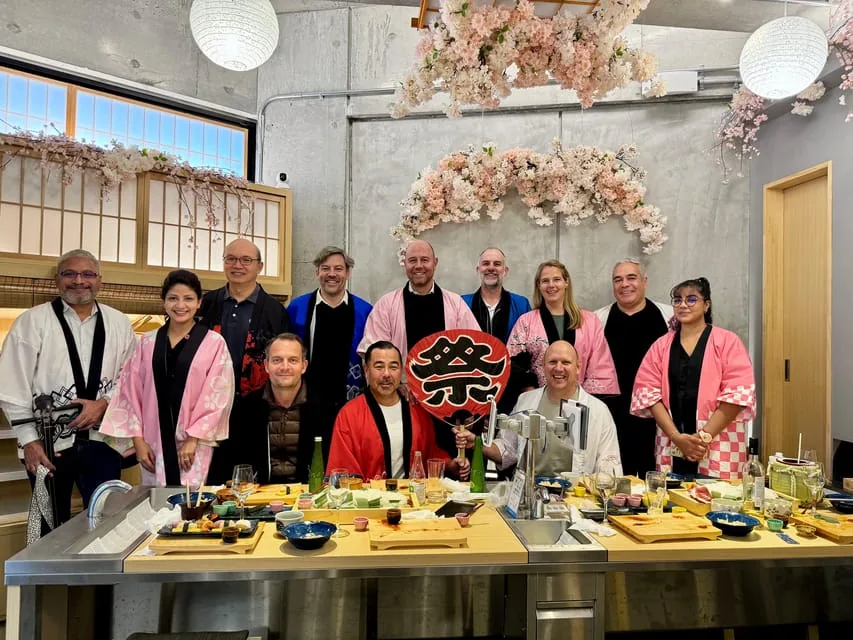
The two types of experience: class vs. market tour
A sushi-making class teaches you to make sushi with your hands. You shape vinegared rice (the real art in sushi), press nigiri with a piece of fish, roll maki by hand, fold gunkan (“battleship” style rolls), stuff inari (sweet tofu pockets) and roll tamagoyaki (egg). Most classes run 2–3 hours and cost $51–$68. You eat your work with miso soup. No experience needed; most classes welcome vegetarian, gluten-free and celiac guests if you confirm when booking. Best for first-timers and anyone curious about the real craft.
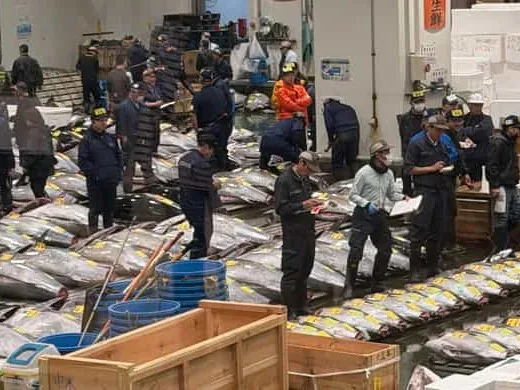
A market tour shows you where the fish comes from. You arrive before dawn at Toyosu and watch the live tuna auction (roughly 5–6:30 a.m.); the public can watch from an observation deck for free, or a booked tour gets you closer. Then you walk the stalls, meet vendors, and finish with sushi breakfast at a legendary counter like Sushi Dai (famous for pre-dawn queues of 2–3+ hours). Tours run $111–$146. Best for enthusiasts who want depth and flexibility, or anyone who wants to skip the queue at Sushi Dai.
What you actually make in a class
The standard class repertoire: nigiri (fish over hand-pressed rice), maki (rolls), gunkan (“battleship” with rice, nori and toppings on the sides), inari (sweet tofu pockets), and tamagoyaki (rolled omelette). The rice is seasoned with vinegar, sugar and salt (sushi-zu); the rice, not the fish, is what the pros obsess over. Your instructor will teach you to feel the temperature and stickiness, to press without crushing, and to understand why the technique matters. Most classes run four to five pieces per type, so you leave with a plate that feeds a person plus someone to share with.
The cost ladder in plain terms
Conveyor-belt (kaiten) sushi — the spinning plates — runs roughly ¥120–¥350 per plate of two pieces (about $1–$2.50 each). A filling meal is ¥1,000–¥2,000 ($7–$14). The fish is fresh and the rice is proper; the speed just means you don’t pay for table service. Standing and casual sushi bars are ¥2,000–¥4,000 ($14–$28) for lunch. Mid-range sushiya set lunch is ¥3,000–¥6,000 ($20–$40). Omakase dinner at a serious counter runs ¥15,000–¥40,000+ ($100–$280+). Classes run $51–$68; market tours $111–$146. All prices assume roughly ¥150 to $1 and move with exchange rates.
How to eat sushi without embarrassing yourself
Here’s what the pros do. Nigiri is finger food — eat it with your hands. Dip the fish side lightly into soy sauce, not the rice — rice-first soaks up too much salt and falls apart. Eat nigiri in one bite where you can. Rolls and sashimi are usually eaten with chopsticks. Don’t rub disposable chopsticks together (it implies they’re cheap). Gari (pickled ginger) is a palate cleanser between pieces, not a topping. Wasabi is usually placed by the chef already; adding a pile of your own can read as an insult to the seasoning. Never stick chopsticks upright in rice or pass food chopstick-to-chopstick (both echo funeral rites). At a counter, eat each piece promptly while the rice is at body temperature. Finishing your rice is polite; leaving a bowl of plain rice unfinished can read as wasteful. Tipping is not expected anywhere and can cause confusion.
Which experience suits whom
If you want to learn to make sushi and take that skill home: book a class, $51–$68. If you want to see where the fish comes from and eat at a legendary counter: book a market tour, $111–$146. If you’re on a tight budget and want excellent sushi right now: hit a conveyor-belt spot or standing bar. If you’re a serious eater with time to plan: book a omakase dinner six weeks out (expect to research, find a listing, call or email). If you’re anxious about the whole thing: take a class first. You leave understanding the craft, the history behind each piece, and confident enough to walk into any sushiya and order.
The honest line-up: a sushi class is the strongest single move for first-timers. A market tour is the insider move. Both beat guessing which restaurant to queue at. All run year-round. Book 1–3 days ahead in peak season; same-day usually works off-season. All offer free cancellation up to 24 hours, so lock a date and enjoy your trip.
Ready to book?
Compare the five highest-rated experiences on the all-tours page, or jump to the sushi-making classes and fish-market tours. Most classes offer free cancellation up to 24 hours ahead.
Frequently asked questions
Do I need any experience to take a sushi class in Tokyo?
No. Every class in this guide is built for beginners — instructors walk you through seasoning the rice and shaping each piece. See whether a class is worth it.
Is a sushi class or a fish-market tour better?
A class ($51–$68) is hands-on and beginner-friendly; a market tour ($111–$146) is an early start built around the Toyosu tuna auction. Read Tsukiji vs Toyosu if you want the market.
How much does sushi cost in Tokyo?
From a few dollars a plate at conveyor-belt spots to $100–$280+ for an omakase counter. The full ladder is on the cost page.